Artifacts.
Diagrams, tables, and frames from the analytical work. Each artifact stands on its own and travels between decks, one-pagers, and conversations. Most also appear inside one or more library essays; those essay pages link back here.
16 artifacts, each on its own page with a downloadable SVG and cross-links back to the essays that cite it.
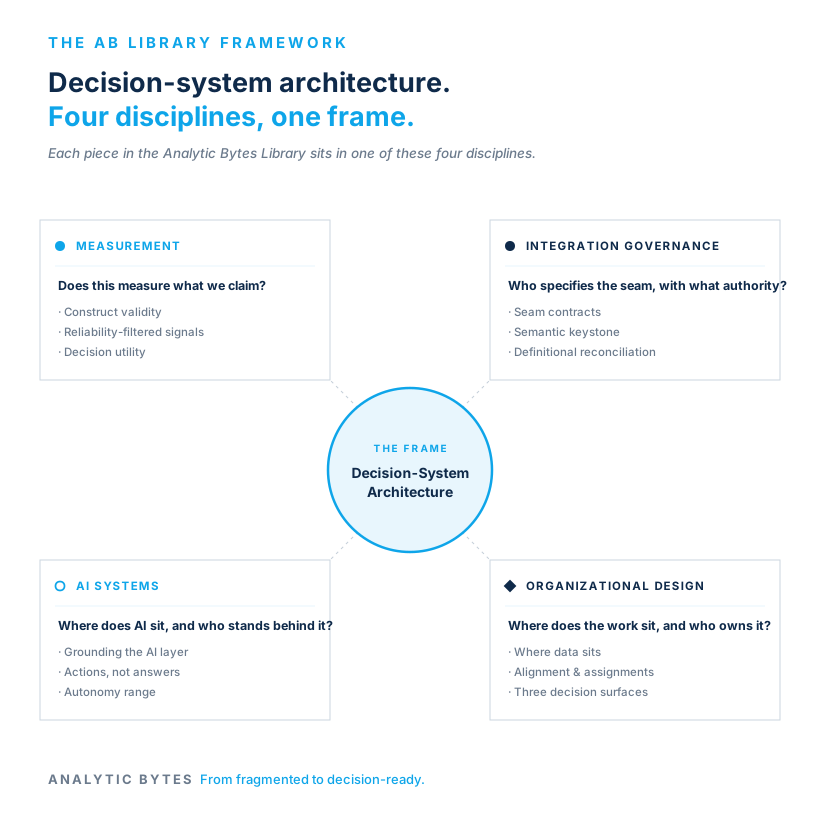
Decision-System Architecture — the four disciplines
The umbrella frame of the Analytic Bytes Library at a glance.
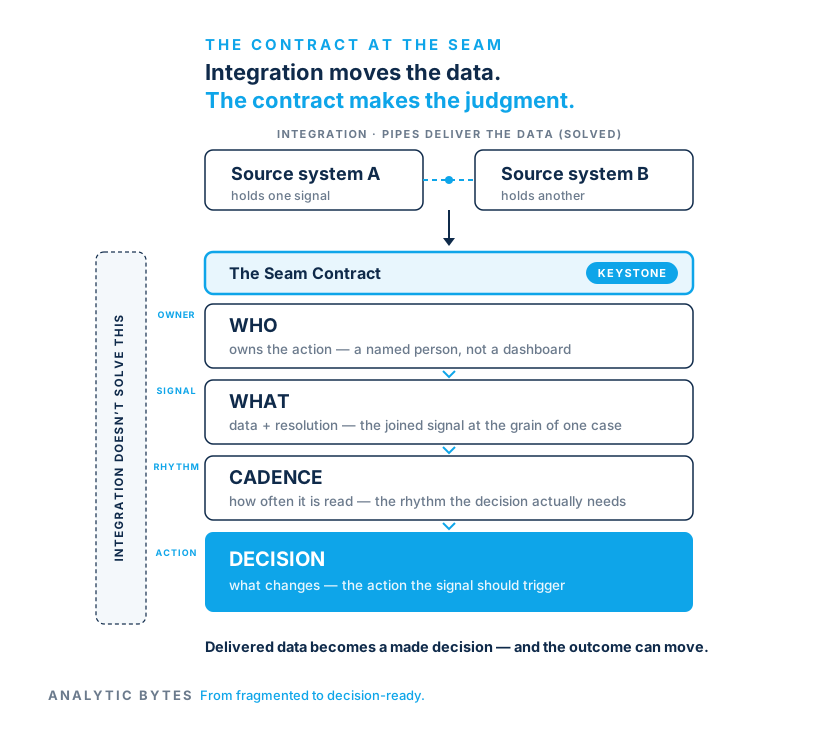
The Contract at the Seam
Integration moves the data.
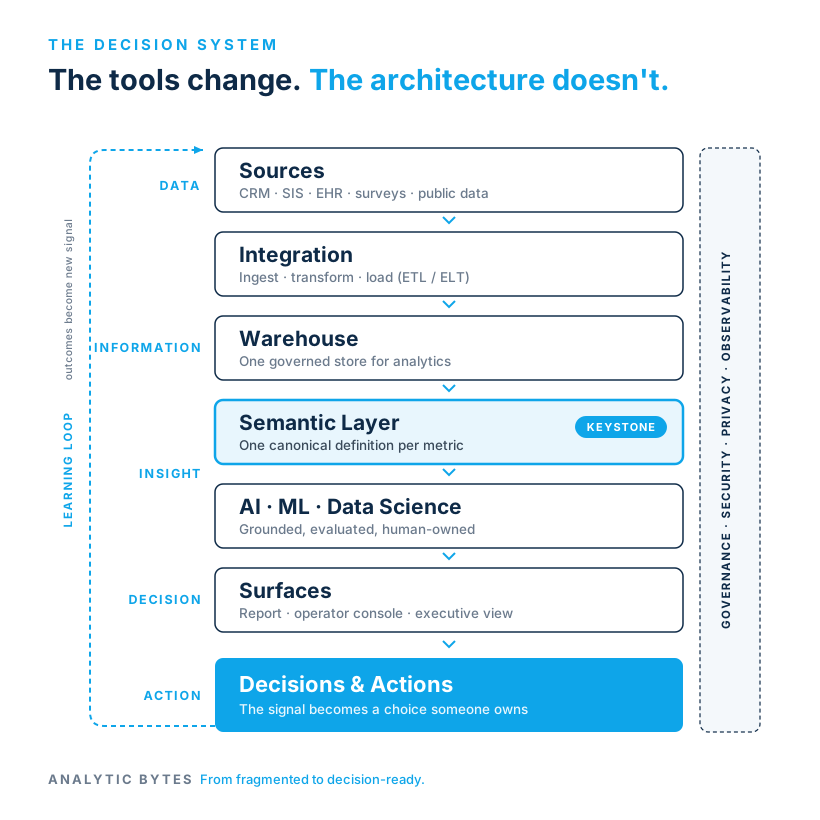
The Decision System — reference architecture
A tool-agnostic reference architecture: sources through integration, warehouse, and the semantic-layer keystone to AI and the reporting surfaces, with a governance rail across every layer and a learning loop that closes the system.
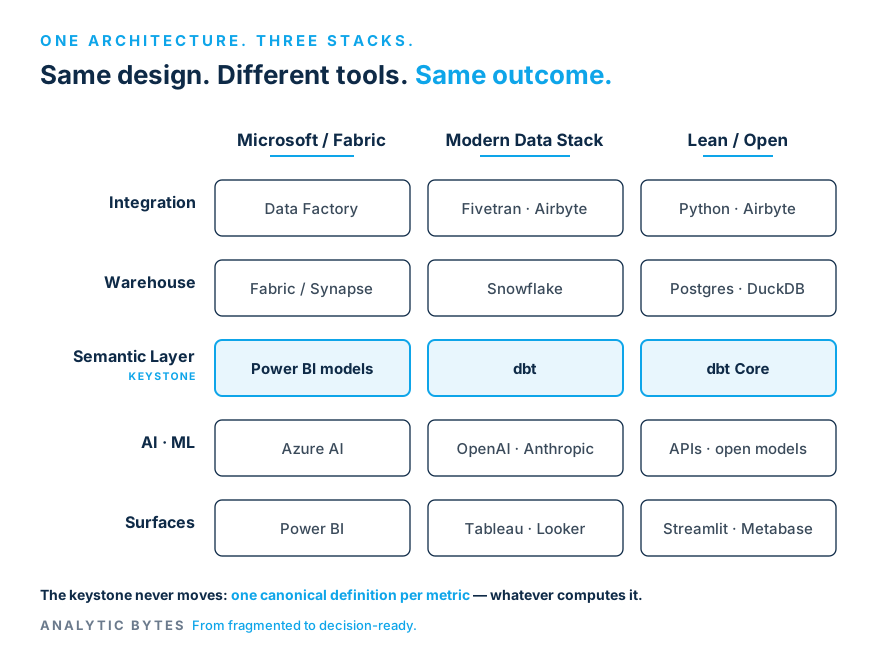
One Architecture, Three Stacks
The same six-layer architecture instantiated three ways — Microsoft/Fabric, the modern data stack, and lean/open — showing the tools swap while the architecture holds.
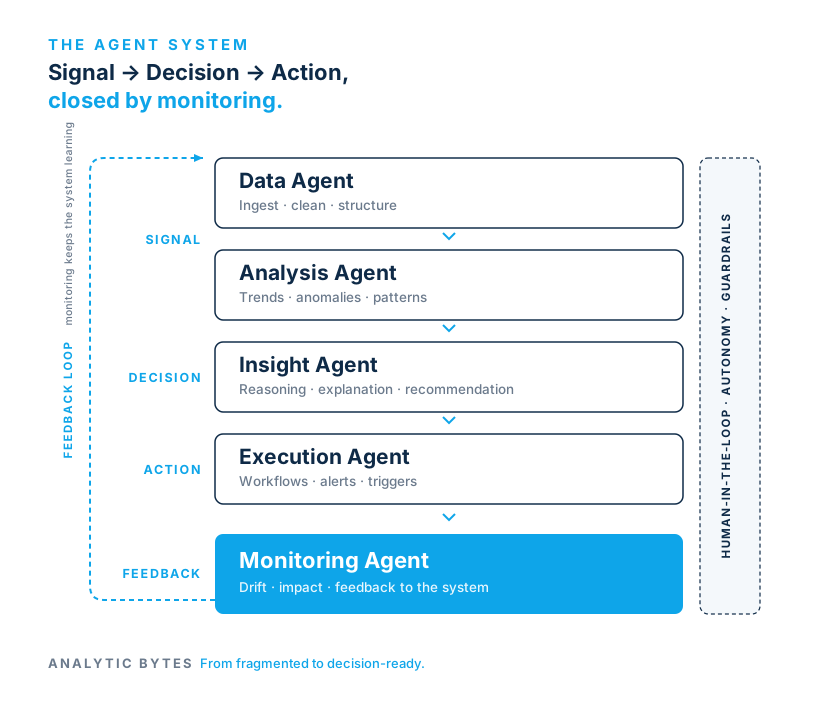
The Agent System
An agentic-AI architecture: five named agents — Data, Analysis, Insight, Execution, Monitoring — operating the Signal–Decision–Action loop, with monitoring closing the loop and a human-in-the-loop rail across every agent.
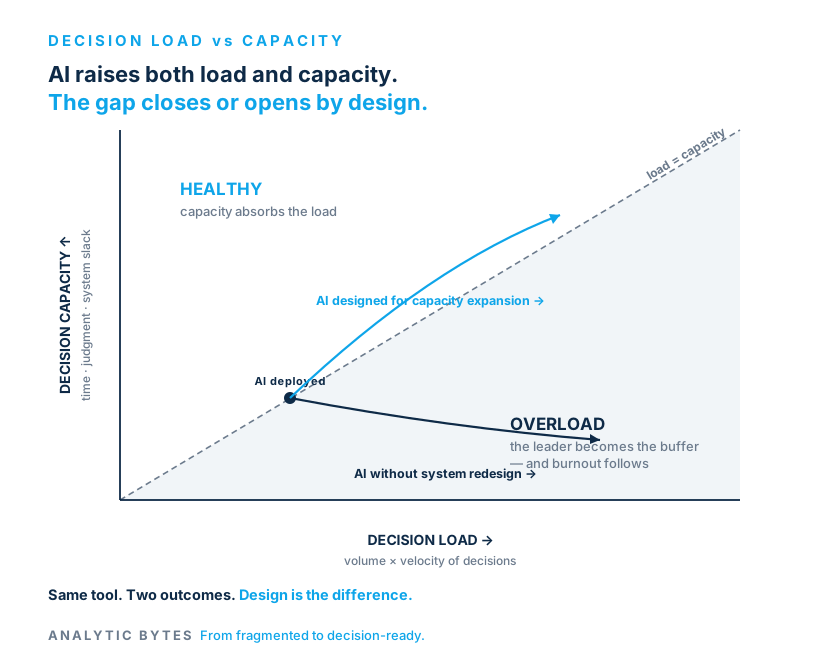
Decision Load vs Decision Capacity
AI raises both an organization's decision load and its decision capacity.
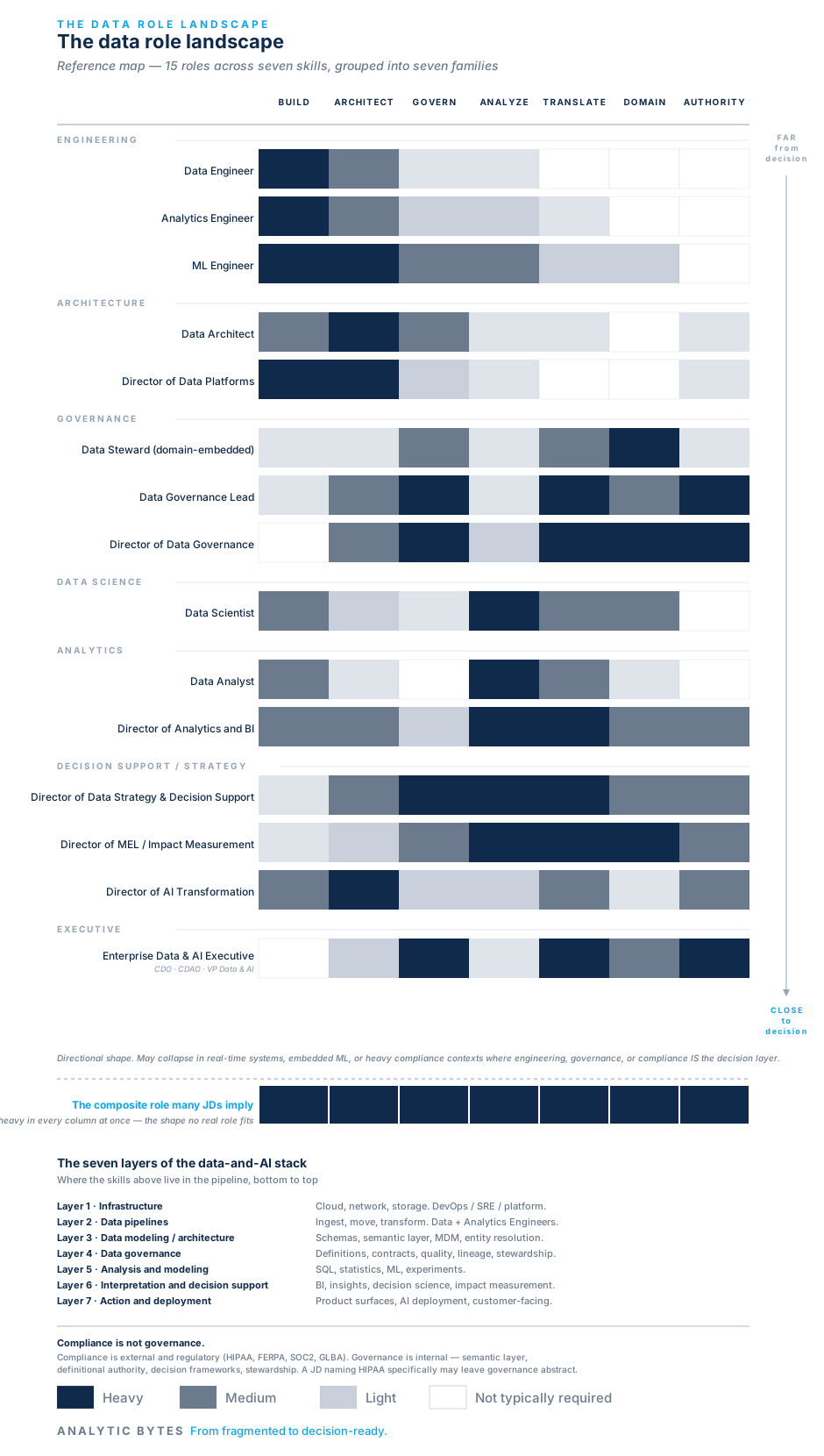
The Data Role Landscape
Data-leadership roles distributed across the five stages of the decision arc — build the system, govern the system, interpret the signal, support the decision, own the decision.
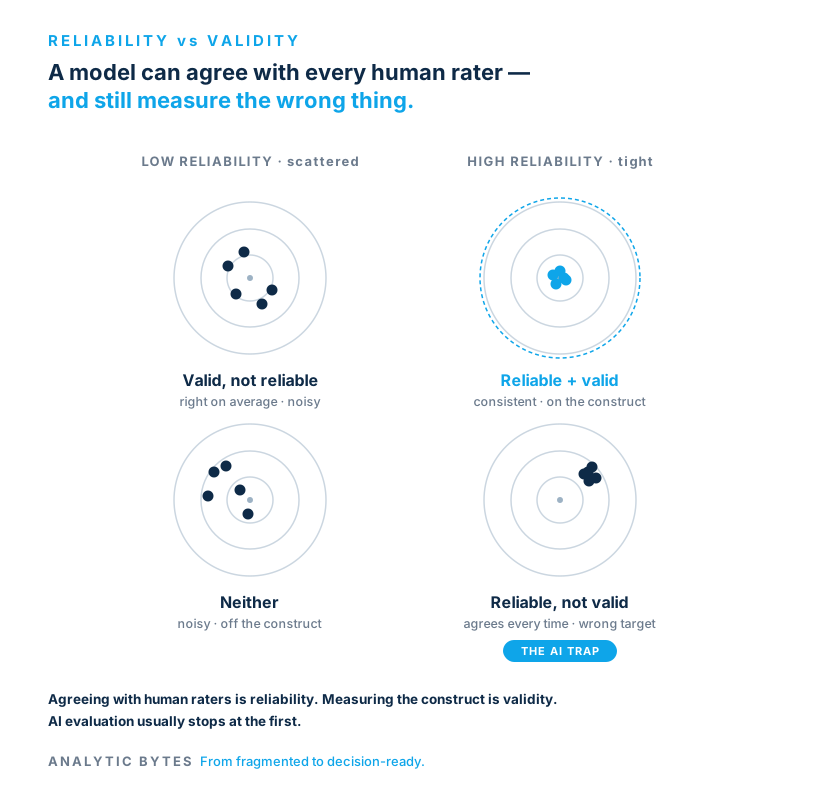
Reliability vs Validity
The four-target view of the AI scoring trap: a model can agree with human raters at a high rate (reliable) and still measure the wrong thing (invalid) — a tight cluster, off the bullseye.
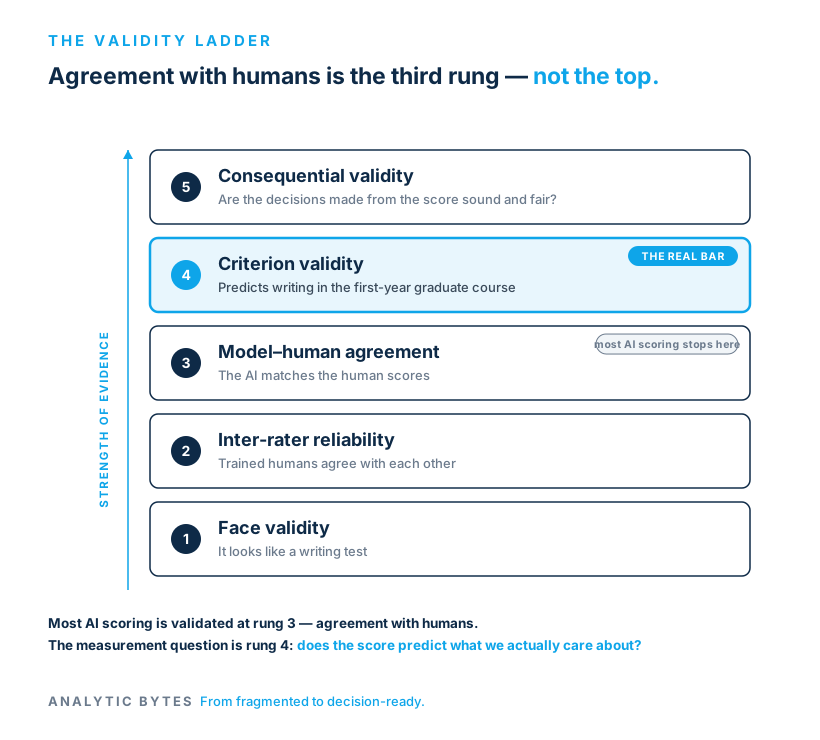
The Validity Ladder
Five rungs of evidence for an AI system.
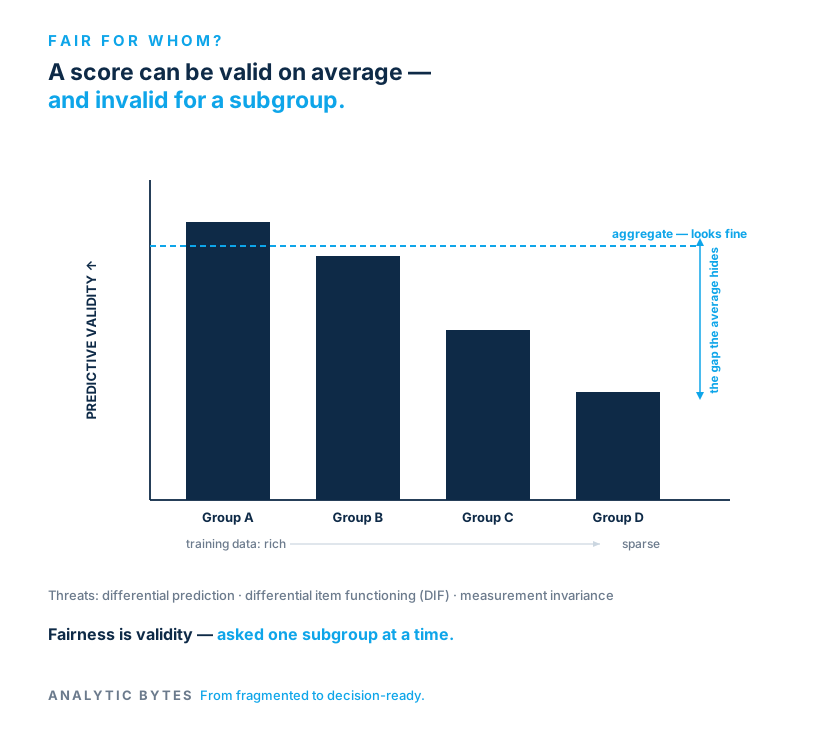
Fair for Whom?
Fairness reframed as validity asked one subgroup at a time.
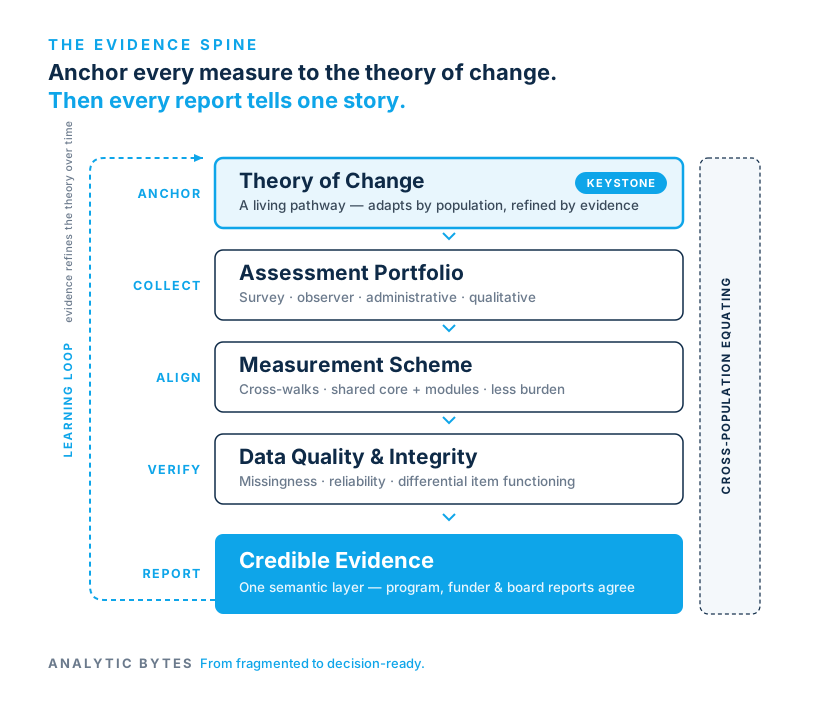
The Evidence Spine
The measurement-and-evaluation architecture that turns monitoring into learning: a living theory of change as keystone, harmonized assessments, and one semantic layer so every audience sees numbers that agree.
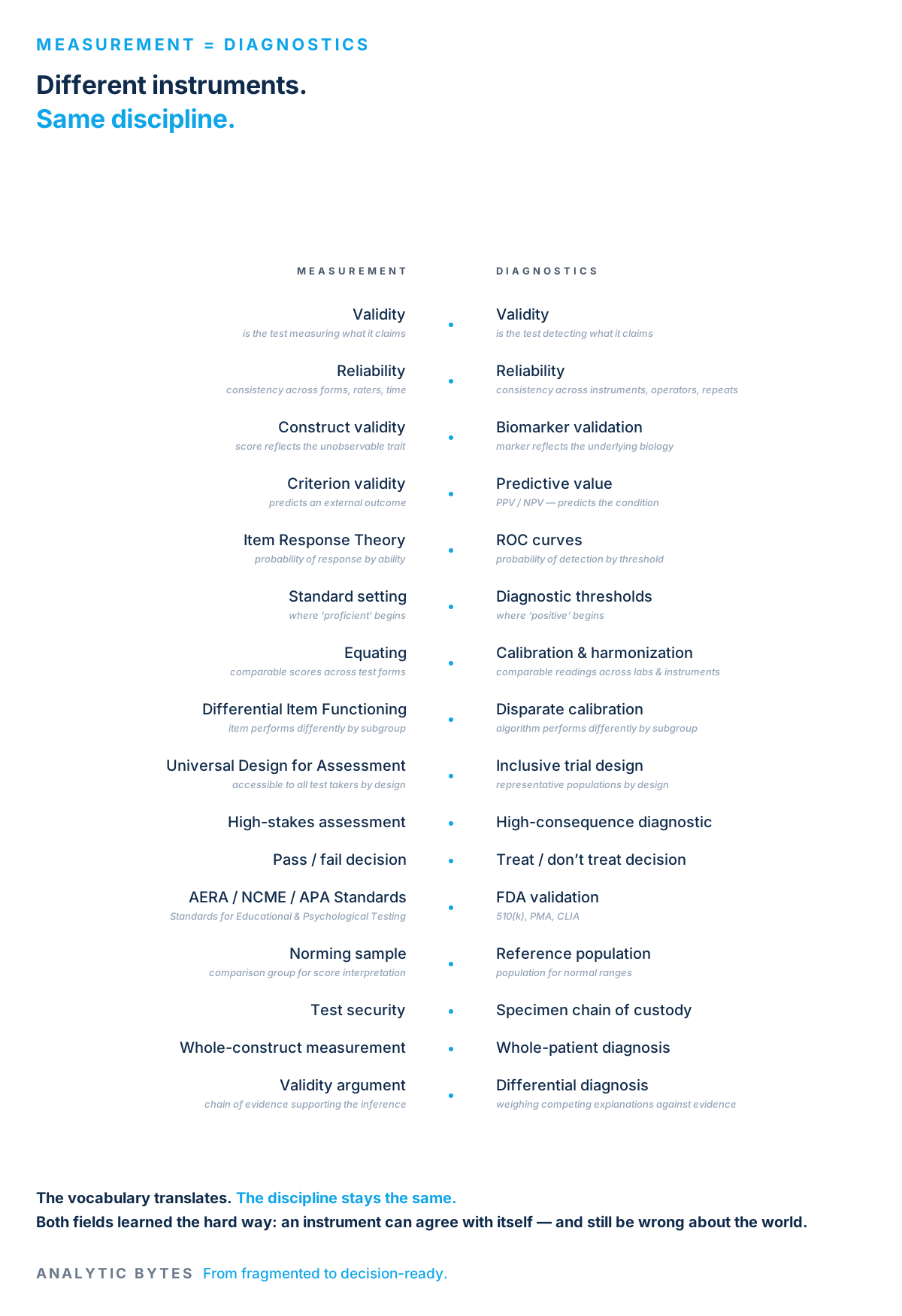
Measurement = Diagnostics
A sixteen-row translation table from educational measurement vocabulary to medical diagnostics — across foundations (validity, reliability), models (IRT and ROC, standard setting and thresholds, equating and calibration), bias and equity, stakes and decisions, standards and integrity, and the inferential closer: validity argument and differential diagnosis.
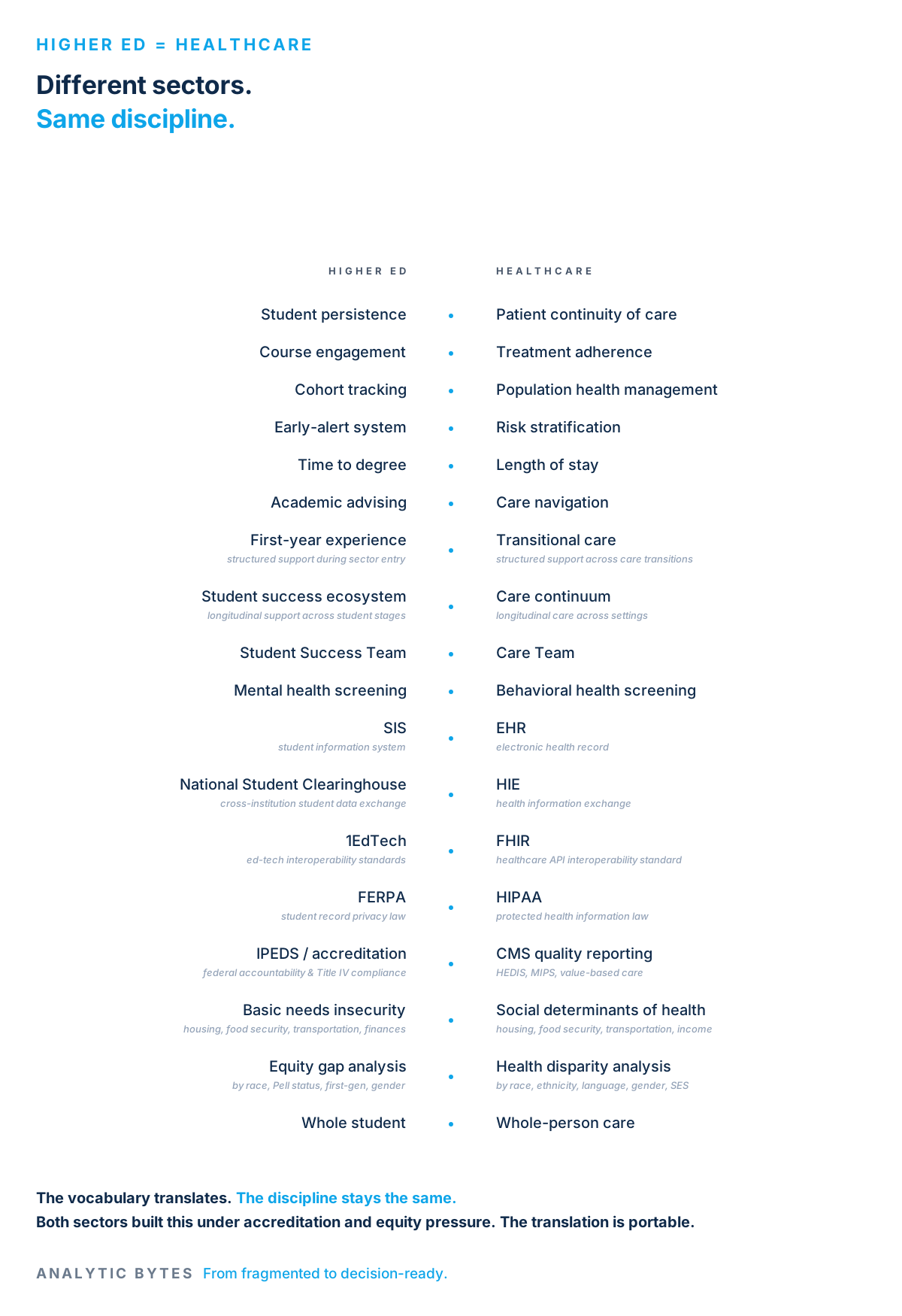
Higher Ed = Healthcare
An eighteen-row translation table mapping higher-education data and analytics vocabulary onto healthcare equivalents — across outcomes, throughput, advising and care navigation, support programs, infrastructure (SIS/EHR, NSC/HIE, 1EdTech/FHIR), regulation, accountability, equity, and integrative philosophy.
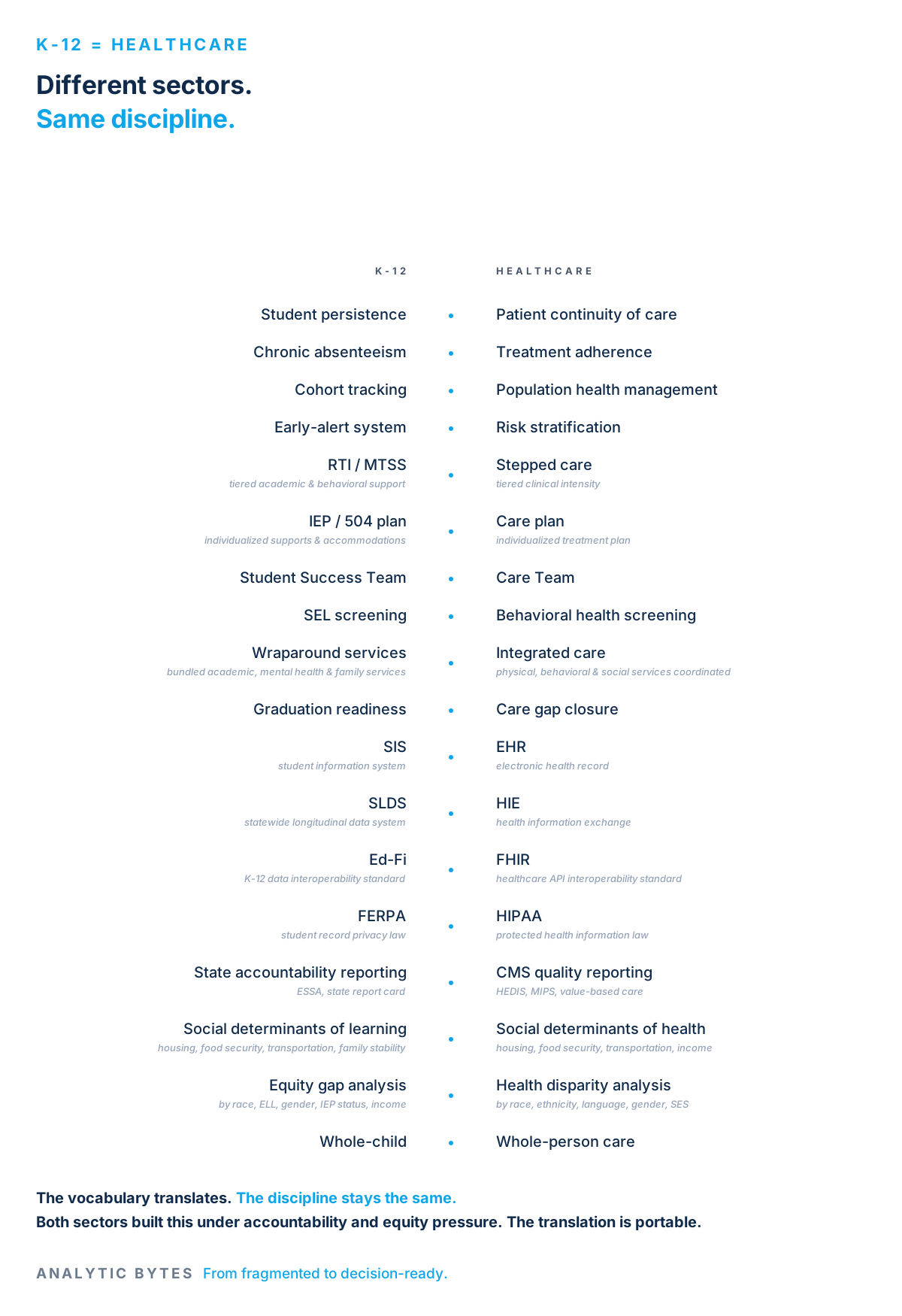
K-12 = Healthcare
An eighteen-row translation table mapping K-12 data and analytics vocabulary onto healthcare equivalents — across outcomes, intervention workflow, infrastructure, regulation, accountability, and integrative philosophy.
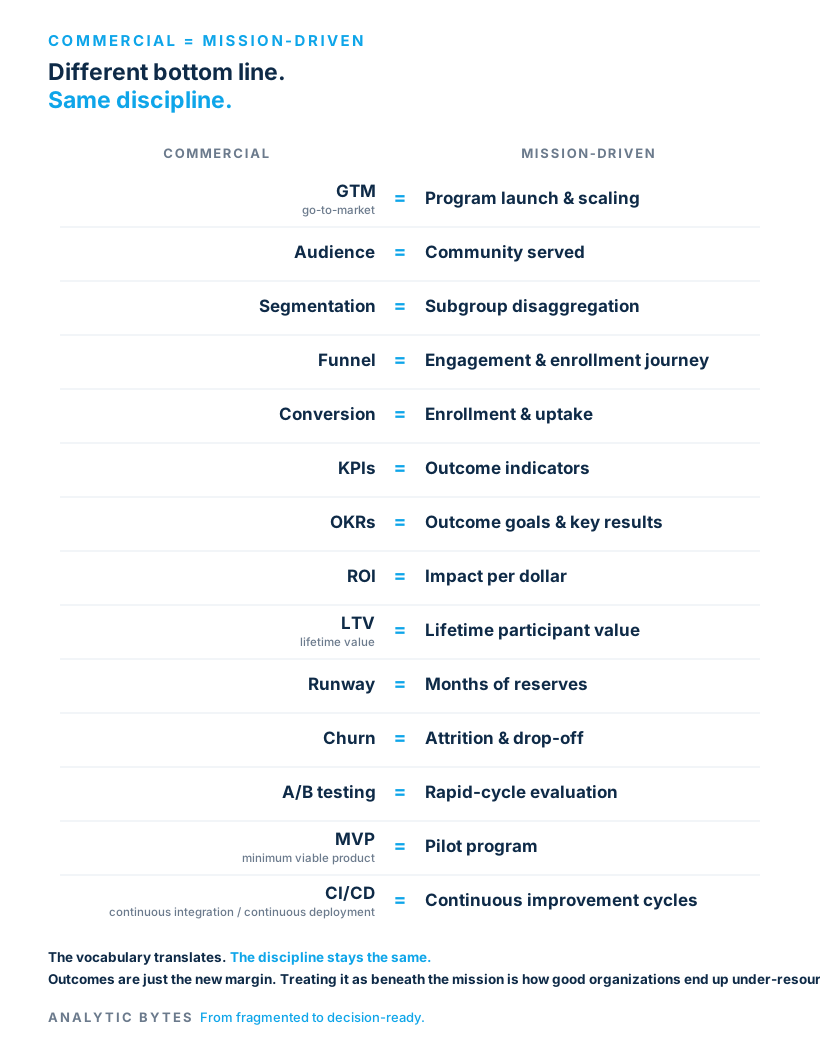
Commercial = Mission-Driven
A fourteen-term translation table from commercial vocabulary — GTM, audience, segmentation, funnel, conversion, KPIs, OKRs, ROI, LTV, runway, churn, A/B testing, MVP, CI/CD — to its mission-driven equivalents.
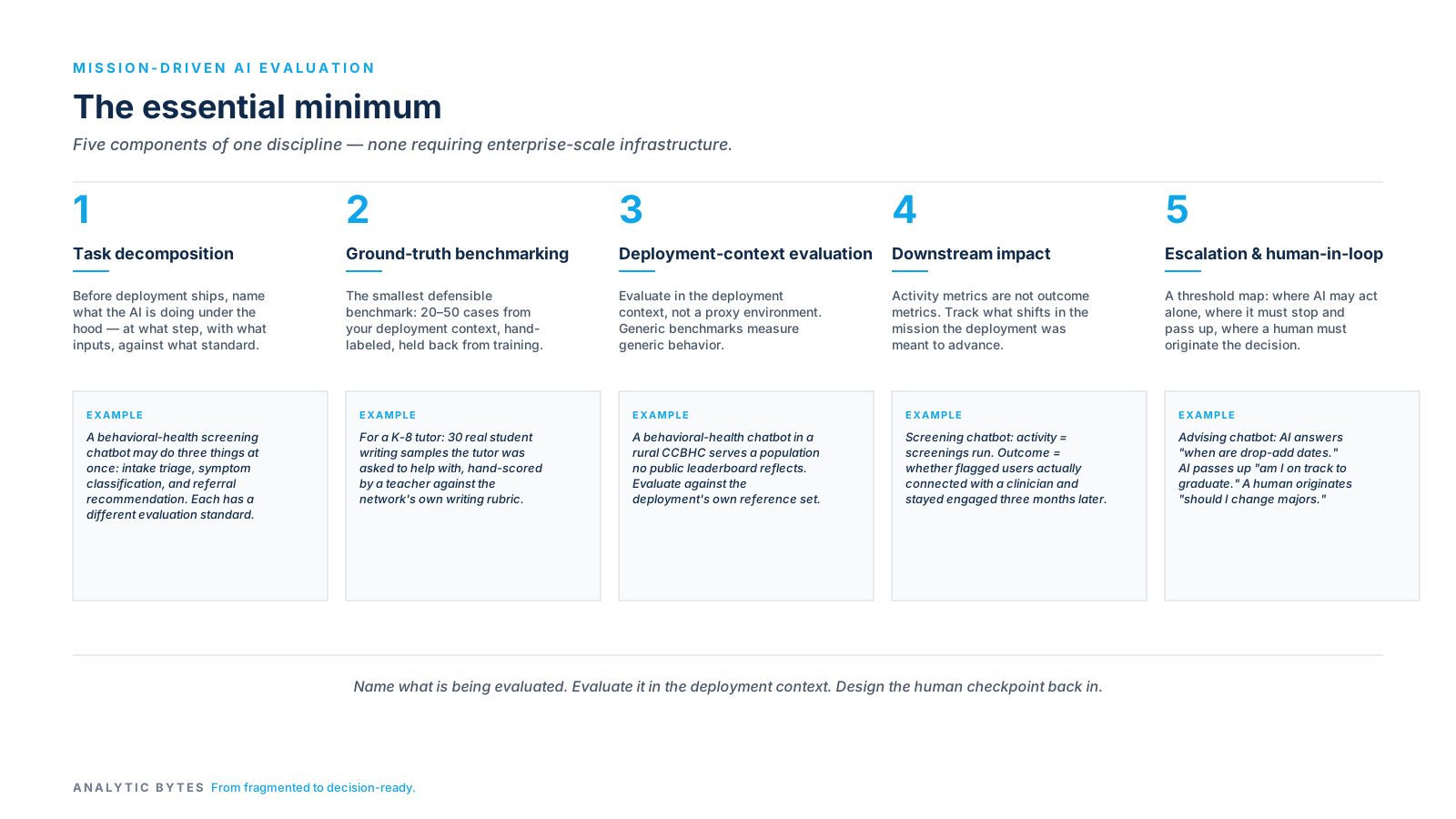
The essential minimum — mission-driven AI evaluation
Five components of one discipline: task decomposition, ground-truth benchmarking with constrained data, deployment-context evaluation, downstream impact evaluation, and escalation with human-in-the-loop discipline.